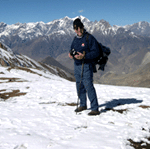
The Upper Mustang Trek is one of the most extraordinary trekking journeys in Nepal. It takes travelers into the ancient Kingdom of Lo, a hidden trans-Himalayan region that remained isolated from the outside world for centuries. Due to its geographical position beyond the main Himalayan range, the Upper Mustang Trek in Nepal lies in a rain-shadow area. As a result, the landscape is dry, rugged, and dramatically different from the lush green hills found in other trekking regions. Deep gorges, eroded cliffs, colorful rock formations, and wide valleys define this remarkable terrain.
What makes the Upper Mustang trekking experience truly unique is its preserved culture. The region was officially opened to foreign trekkers only in 1991. Because of strict regulations and limited access, traditions, architecture, and lifestyles have largely remained unchanged. As a result, the region still preserves its ancient character. Therefore, the Upper Mustang (Lo Manthang) Trek is not only about walking through remote and dramatic landscapes. Instead, it is also a cultural and spiritual journey. Moreover, this journey leads travelers into a living Himalayan heritage. Over time, this heritage has been deeply shaped by Tibetan Buddhism.
Upper Mustang (Lo Manthang) Trek Introduction
The Upper Mustang (Lo Manthang) Trek begins where modern Nepal slowly fades into an ancient Himalayan civilization. Lo Manthang, the walled capital of the former Mustang Kingdom, stands as the cultural and historical heart of the region. Entering this area feels like stepping back in time. Narrow alleyways, traditional houses, royal palaces, and centuries-old monasteries still shape daily life.
From the early days of the Upper Mustang Trek, trekkers noticed the powerful atmosphere of the region. The air is dry and crisp. The sky appears vast and open. Silence dominates the trails. Unlike crowded trekking routes, the Upper Mustang trekking route remains calm and controlled due to its restricted status. Each village reflects strong community values, deep spirituality, and a lifestyle guided by tradition rather than modern influence.
Upper Mustang Trek Location
The Upper Mustang Trek is located in northwestern Nepal, bordering the Tibetan Autonomous Region of China. The trekking route follows the upper section of the Kali Gandaki Valley, one of the deepest gorges in the world. This valley has served as an ancient trade corridor between Tibet and Nepal for centuries.
Geographically, the Upper Mustang Trek in Nepal sits above the Annapurna and Dhaulagiri ranges. These massive mountains block monsoon clouds, creating the dry trans-Himalayan climate that defines the region. The location plays a major role in preserving both the natural environment and cultural identity of Upper Mustang.
How to Reach Upper Mustang Trek
Reaching the Upper Mustang Trek typically begins in Kathmandu, followed by a scenic flight or drive to Pokhara. From Pokhara, travelers take a short flight to Jomsom, the administrative center of Mustang. Jomsom marks the starting point of the trekking journey.
After leaving Jomsom, trekkers walk north toward Kagbeni, the gateway village to Upper Mustang. Once crossing Kagbeni, trekkers officially enter the restricted area. From this point onward, the Upper Mustang trekking journey becomes increasingly remote. Transportation infrastructure is minimal, ensuring that trekking remains the primary way to explore the region.
Main Attractions of the Upper Mustang Trek
The Upper Mustang Trek is rich in cultural, historical, and natural attractions. One of the main highlights is Lo Manthang itself, a walled city that served as the capital of the ancient Mustang Kingdom. The royal palace, monasteries such as Jampa Lhakhang and Thubchen Gompa, and ancient chortens reflect deep Tibetan Buddhist influence.
Another attraction of the Upper Mustang Trek in Nepal is the network of ancient caves carved into cliffs. Some caves date back thousands of years and were used for meditation, shelter, and burial. Colorful rock formations, high desert valleys, and distant Himalayan peaks further enhance the trekking experience.
What You See on the Upper Mustang Trek
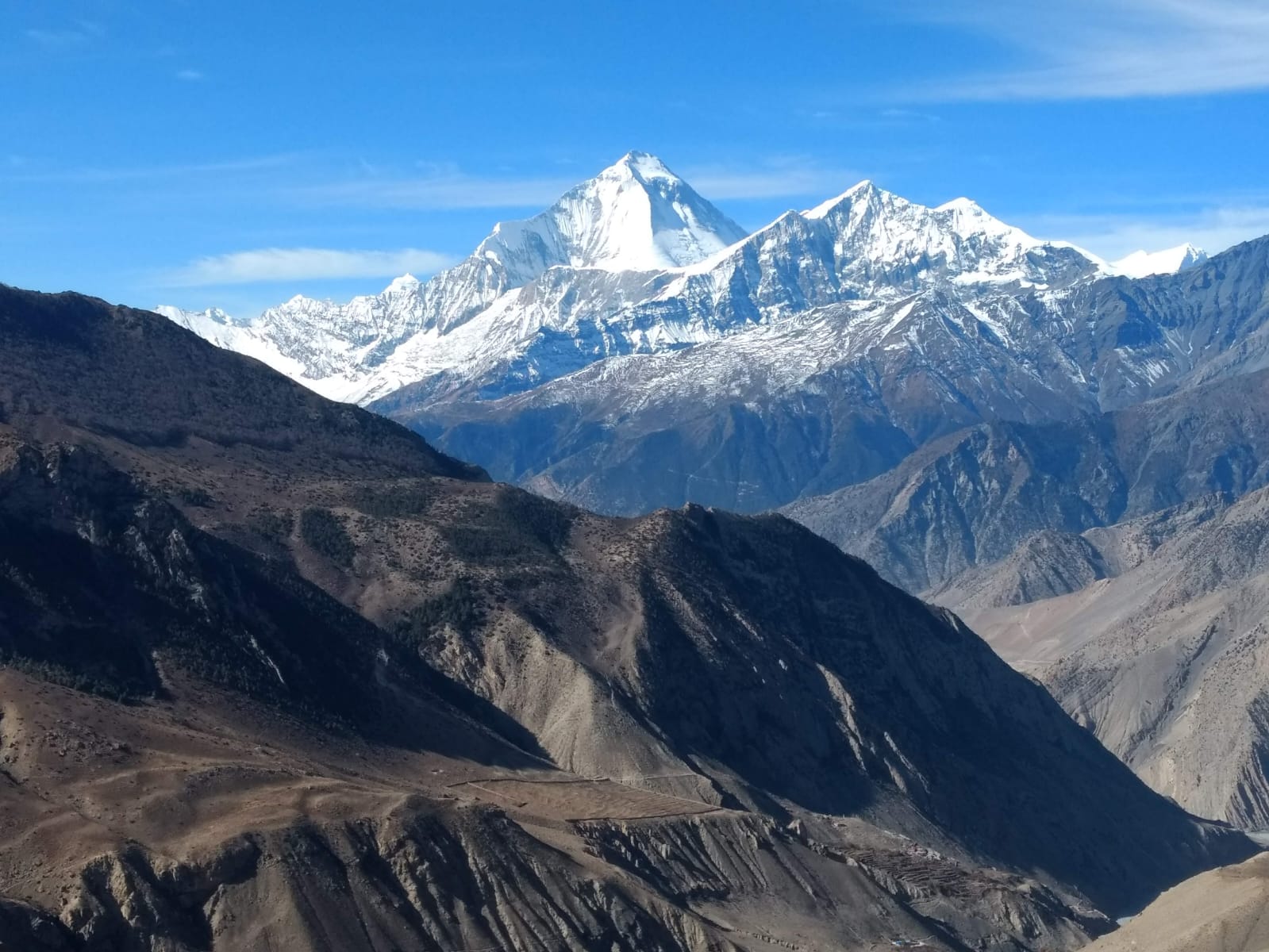
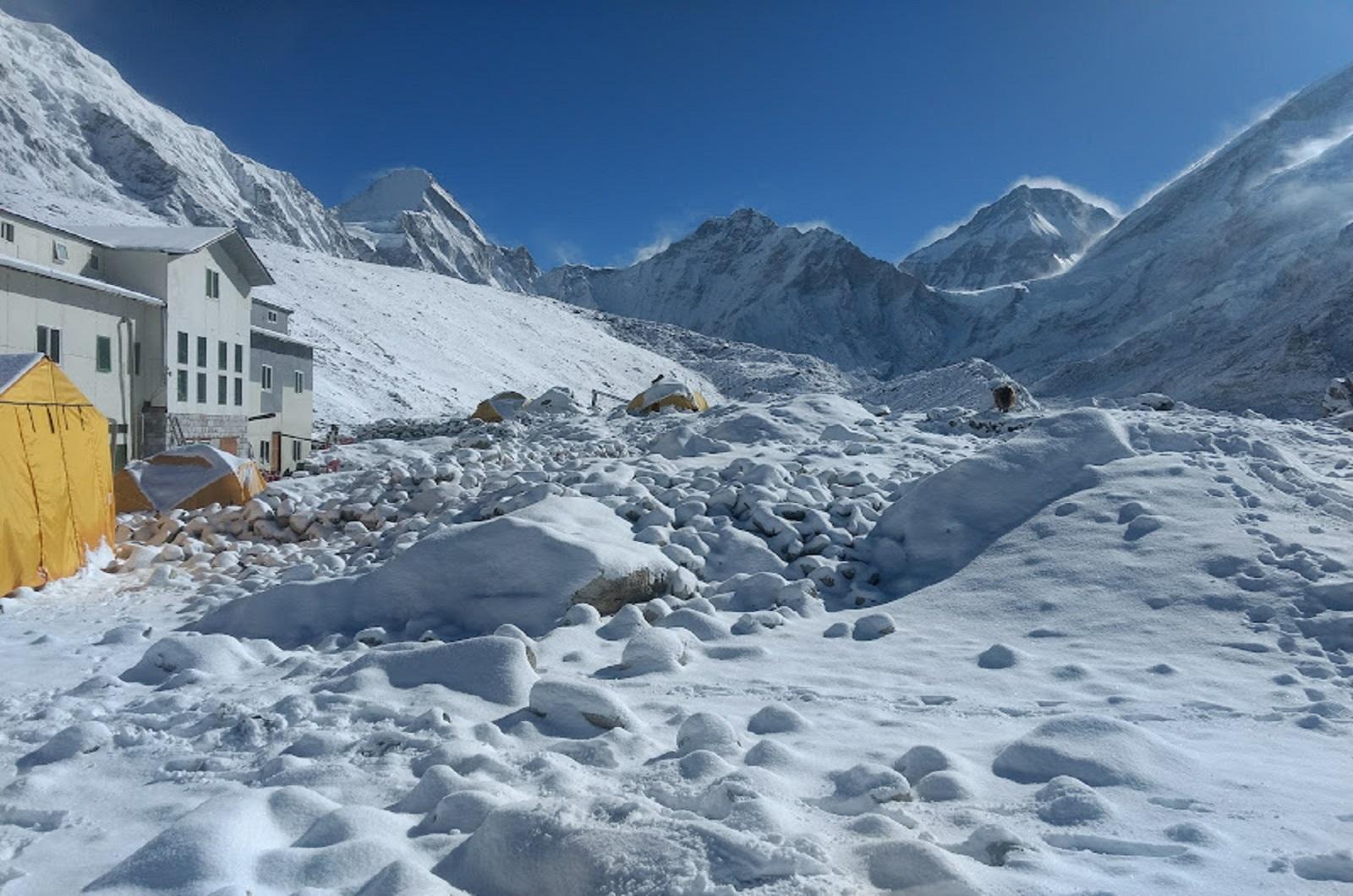
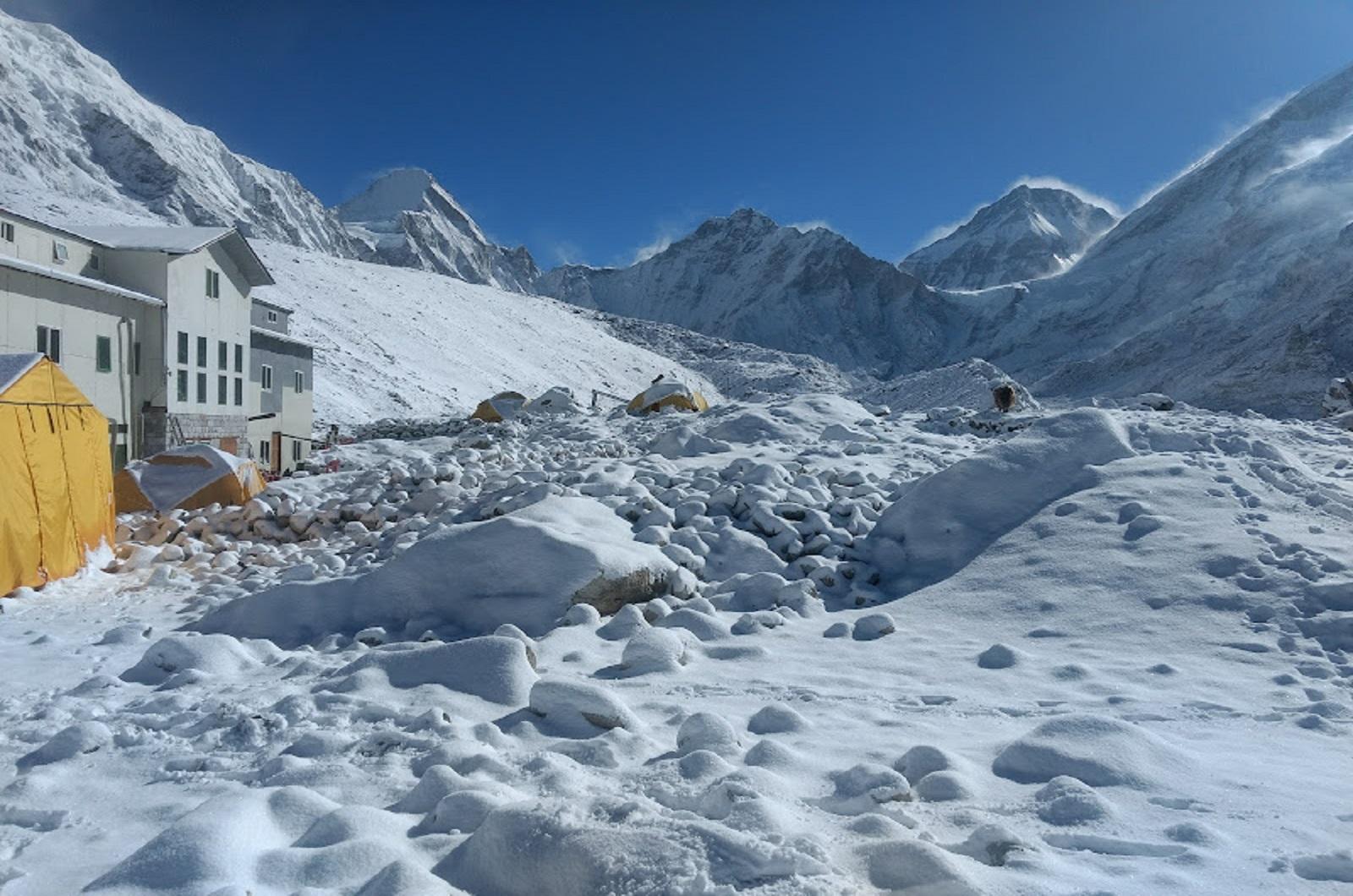
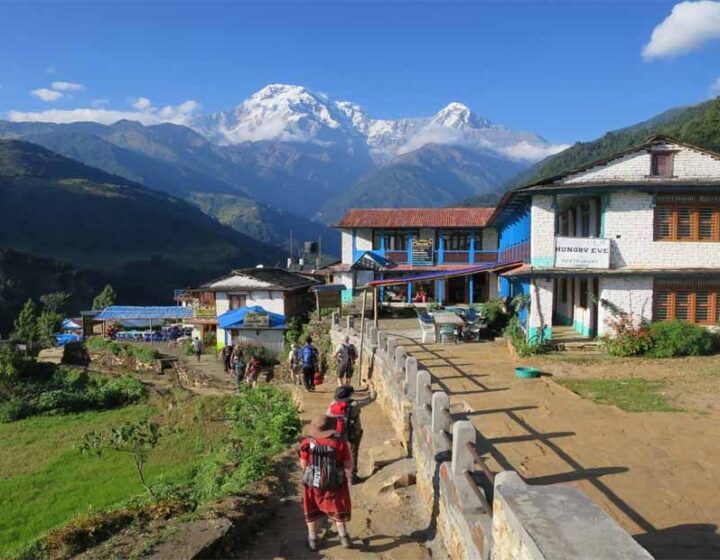
During the Upper Mustang trekking experience, travelers see landscapes unlike anywhere else in Nepal. The terrain is shaped by wind erosion rather than rain, creating dramatic cliffs, canyons, and plateaus. Villages appear as clusters of whitewashed houses surrounded by stone walls and barley fields.
Trekkers encounter prayer flags fluttering in the wind, long mani walls carved with Buddhist prayers, and monasteries perched above villages. Snow-covered peaks such as Nilgiri, Dhaulagiri, and Annapurna appear in the distance, contrasting sharply with the desert-like foreground. These visual contrasts make the Upper Mustang Trek truly unforgettable.
Difficulty and Altitude
Trekkers generally find the Upper Mustang route moderately challenging. The trails remain well-defined and do not require technical climbing skills. However, travelers should maintain good physical fitness because daily walking hours can be long. The trek reaches a highest point of around 4,200 meters, so proper acclimatization ensures a safer and more comfortable journey.
Since the terrain is dry and less steep than other Himalayan trails, trekkers with moderate experience can handle this adventure. Gradual ascents and a steady pace help minimize altitude-related issues when itineraries follow careful planning.
People of Upper Mustang
The residents of Upper Mustang, known as Lobas, descend from Tibetan communities. They speak a Tibetan dialect and retain a strong cultural identity. Life revolves around farming, animal husbandry, and religious practices, forming the backbone of daily routines.
Hospitality forms an important part of local culture. Visitors on the trek receive warm, respectful welcomes from the communities. Despite harsh environmental conditions, the people of Lo maintain tight-knit communities, cultural pride, and remarkable adaptability.
Culture, Lifestyle, and Religion in Upper Mustang
Culture represents the soul of this region. Tibetan Buddhism influences daily life, architecture, festivals, and social customs. Monasteries function as centers for religion, education, and community activities. Prayer wheels, stupas, and sacred symbols appear throughout the villages, guiding spiritual practice.
Residents follow simple, traditional lifestyles. They build homes from stone and mud to withstand strong winds and cold winters. Farming occurs seasonally, and religious festivals like Tiji create moments of communal celebration. Travelers experience rare insight into a culture preserved through centuries of isolation and devotion.
Flora, Fauna, and Vegetation
The Upper Mustang region features hardy vegetation adapted to the dry climate. Alpine shrubs, juniper, and drought-resistant grasses dominate the landscape. Trekkers also see barley fields and small cultivated patches around villages.
Wildlife includes blue sheep, Himalayan foxes, and high-altitude birds. The ecological balance relies on adaptation to harsh conditions rather than abundance. Walking through these landscapes provides trekkers with a vivid sense of the region’s unique natural environment.
Vegetation along the Upper Mustang Trek is sparse due to the dry climate. Hardy plants such as juniper, alpine shrubs, and grasses dominate the landscape. Barley fields appear around villages, supported by irrigation systems.
Wildlife includes blue sheep, Himalayan foxes, and various bird species adapted to arid conditions. Although not rich in dense forests, the ecological balance of Upper Mustang is fragile and unique. The Upper Mustang Trek in Nepal highlights adaptation rather than abundance.
Atmosphere of the Upper Mustang Trek
The atmosphere of the Upper Mustang Trek is calm, spiritual, and timeless. Wide open skies, steady winds, and quiet trails create a meditative environment. The absence of heavy tourism adds to the sense of isolation and reflection.
Each day feels unhurried. The slow rhythm of walking, combined with cultural immersion, makes the Upper Mustang trekking journey deeply rewarding on both physical and mental levels.
This remarkable journey can be undertaken from spring through autumn. Spring brings clear skies, blooming landscapes, and vibrant cultural festivals. Summer remains a good option because the region lies in a rain-shadow zone, receiving very little rainfall. Autumn offers stable weather conditions and excellent visibility of the surrounding Himalayan peaks.
Unlike many other mountain routes in Nepal, this trans-Himalayan adventure remains accessible during the monsoon season. The dry climate and unique geography create favorable trekking conditions when other regions experience heavy rainfall. This seasonal flexibility makes the route an attractive choice for travelers seeking a different Himalayan experience outside the traditional trekking seasons.
connected to other trekking routes:
The Upper Mustang Trek connects naturally with several classic and remote trekking routes in the Annapurna region. These connections allow trekkers to extend their journey, experience changing landscapes, and explore deeper Himalayan culture.
The trek is most directly linked with the Annapurna Circuit Trek. Many trekkers walk from Besisahar or Jagat through Manang, cross Thorong La Pass (5,416 m), descend to Muktinath, and continue to Kagbeni, the official entry point to Upper Mustang. This is one of the most popular route combinations in Nepal.
Upper Mustang is also closely connected with the Jomsom–Muktinath Trek. Starting from Nayapul or Tatopani, trekkers reach Jomsom and Muktinath before entering Mustang via Kagbeni, making it ideal for shorter itineraries.
Another extension is the Nar Phu Valley Trek, which joins the Annapurna Circuit after Kang La Pass and continues toward Mustang. Indirectly, trekkers can combine Annapurna Base Camp with Upper Mustang by traveling from Pokhara to Jomsom.
For experienced trekkers, Upper Mustang links with Upper Dolpo via Saribung Pass and the sacred Damodar Kunda pilgrimage route, offering remote and spiritual journeys.
Why Join the Himalayan Realms Treks for Upper Mustang
Choosing The Himalayan Realms Treks and Expedition Nepal Pvt. Ltd. means traveling with a team that understands both the landscape and the culture of the former Mustang Kingdom. With decades of Himalayan experience, the company offers knowledgeable guides, carefully designed itineraries, and a strong commitment to responsible and respectful travel.
Concussion
This journey is far more than a physical walk through remote terrain. It is a passage through history, spirituality, and a living Himalayan culture shaped by centuries of isolation. From dramatic desert landscapes to deeply preserved traditions, each day reveals a stronger connection to the land and its people.
For those seeking authenticity, quiet trails, and cultural depth, this high-altitude Himalayan adventure remains one of Nepal’s most meaningful and unforgettable travel experiences.
Short Itinerary
Day 01: Arrival Kathmandu
Day 02: Kathmandu—Pokhara.
day 03: Pokhara-Jomsom-Kagbeni
Day 04: Kagbeni-Chaile
Day 05: Chaile-Ghileing
Day 06: Gheling—Charang
Day 07: Charang - Lo-Manthang
Day 08: Lo-Manthang
Day 09: Lo-manthang
Day 10: Lo-Manthang-Ghami
Day 11: Gami-Samar
Day 12: Samar-Kagbeni
Day 13: Kagbeni–Jomsom
Day 14: Jomsom-Pokhara
Day 15: Pokhara-Kathmandu
Itinerary
Arrival in Kathmandu Tribhuban international ariport (1,300m/4,264ft): then pick you up and take a short drive from the airport to the hotel check in the hotel and rest for few hrs then we meet again with guide and barging about the trek what we need the equipment for then trek and what time we live from Kathmandu details.
From Kathmandu to Pokhara there are two ways to reach. One is by bus, which are 200 K.M. far from Kathmandu by bus is takes approximately about 6 ½ hours by tourist bus. The road mostly follows the We take an early morning flight from Kathmandu to Pokhara. which place is the beautiful lake and city and also catch great views of the Mountain from the right side the windo seat of our airplane. After landing in the Pokhara airport than after transfer to the hotel in the lake side area. After that Check in the hotel, rest for some time than visit included the Fewa lake Bahari temple etc. stay over night the hotel at Pokhara.
Fly to Jomsom, the district headquarters of Mustang and start trek to Kagbeni, and the starting point of the “Upper Mustang”. Over night camping at Kagbeni.
There is a trail up the bank of the Kaligandaki that climbing over many ridges as over many ridges as it heads north and reaches Tangbe village. The town a labyrinth of narrow alleys amongst whitewashed houses fields of the valley. Beyond Tangbe we reach chhusang dominates the southern skyline at kagbeni continues to loom massive at the foot of the valley. Beyond Tangbe we reach Chhusang village about 1 ½ hrs trek, and cross the river from there and continue north climbing up the trail to a huge red chunk of conglomerate that has fallen from the cliff above, forming a tunnel through which the Kaligandaki follows. The trek now leaves the Kali Gandaki Valley and climbs steeply up a rocky gully to chele at 3030 Mt. The culture changes from the Mustangi Culture the Tibetan culture of Lo from here.
The climb continues along steep, treeless, waterless terrain, along the side of the speculator steep canyon to pass and cairn to a pass and cairn of rock at 3540Mt.Then the trail makes a long gradual descent to some chorines on a ridge, then descend further on a pleasant trail to samar. The Annapurna , still dominated by Nilgiri, is visible far to the south. Climb above samar to a ridge, then descend into a large gorge and the trail goes into another valley field, crosses a stream and climbs up to bridge at 3800 Mt. and descend to Geling
From Geling, the trail climbs gently to the interesting pass on your trek NYI LA and descend below the blue, Grey and red cliffs across the valley to a steel bridge across the Tangmar Chu (River ), Then climbs past what so perhaps the longest and most spectacular stretch and main wall in Nepal. Climbing over another pass at 3600m, The route makes a long gentle descent to charang. The huge five-story white Dzong and red Gompa are an interesting visit to observe collections of statues and Thakas as well as many large paintings of seated Buddha’s.
The Trail descends about 100meters down from Charang, crosses the charang – Chu and climbs steeply up a rocky trail to a climb on a ridge and continues to climb, finally from a ridge at 3850meter there is a view of the walled city of LO. After a short descent, cross a stream then climb up in to the plateau of Lo- Manthang
There are four major places and several other places like the Tall champa lakhang “God house”, The red thugchen Gompa, Chyodi Gompa and the Entrance Hall which are the main attraction of this town. An another attraction is the four -story building of Raja’s palace as well as the surrounding panoramic views of the Himalayas . Having seen one, you are excited to see the others.
Besides LO Manthang there are two other valleys worth visiting. The western valley Thingkhar, The sight of Raja’s summer palace, Kimling and phuwa as well as the Gompa of Nangyals ” The monastery of victory” is the newest and most active Gompa in LO. The eastern valley contains chosar, the site of a High school, Garphu and Nyphu Gompa and is the main trading route to Lhasa .
This is an opportunity to visit two other villages on your return trek. The trail climbs steadily to the pass make by a cairn, offering a last glimpse of LO Manthang. The trail contours past two small ridges and valleys and across a ridge at 4070meter then descends across to the south through two more valley meadows and a stream. The trail then makes a long rocky descent to Gekar. LO Gekar Gompa is older then samye Gompa in Tibet and one of the oldest Gompa in Nepal . Then crosses a ridge after a little climbing and drops down steeply to Thamar village. The trail descends along the side of the stone walls and fields of extensive villages, then climbs to a ridge. it is a short descent to Ghami.
From Ghimi climb to NYI LA and descend to Samar through the same route.
Return trek to Kagbani
Return trek to Jomsom
Fly to pokhara lakeside village site, “Front row center” to one of the most beautiful Himalayan panoramas in the world. The Annapurna and famous “Fishtail” Mountain peak of Machapuchhare tower over the tropical setting of pokhara and you spend there will be the scenic highlight of your trip. You’re free in Pokhara valley also called ” Magic Land ” or Dreamland” of Nepal , to explore the various interesting place like a boating in fewa Lake over looking of Annapurna Range , David falls, Mahendra cave and some Temples . Evening you are free to explore the colorful town/N in Pokhara.
fter breakfast you’re return to Kathmandu by road. After arrive in Kathmandu You’re free to shop and pike up some last minute souvenirs, rest and visit the shop etc. O/N at Kathmandu
Included
Arruval departure trensfear.
Special restricted area permits for Upper Mustang and National park permit.
Two night hotel in Kathmandu with B/B plan (Bed and Breakfast)
Two night hotel in Pokhara with B/B plan (Bed and Breakfast.
Kathmandu-Pokhara -Jomsom-Pokhara flight tickets (For Guest and Guide
Kathmandu-Pokhara-Jomsom-Pokhara-Kathmandu bus transport for portar
Best available lodges/tea houses during the trek
All lodging and foods/meals during the trek
Domestic flights and all taxes
Guide and porter:- food, Salary, Accommodation during the trek and insurance
Down Jackets, sleeping bags during the trek and sleeping bag and down jackets are returnable after the trek.
Upper mustang restricted area permit fee $500 per person for 10 days time durations
Entire administration and Local taxes
Not Included
Kathmandu and Pokhara food.
Nepal Visa Fees (you should bring accurate 40 USD cash and two passport size pictures)
Personal expenses (Shopping, Laundry, bar bills, battery recharge, extra porters, mineral water or boiled water, Phone calls, shower etc)
Extra night accommodation in Kathmandu due to early arrival or late departure, early come back from trek (due to any case) than the fixed itinerary
International fare/arrival taxes/departure taxes from your country to Kathmandu and from Kathmandu to your own destination
Trip and rescue insurance
Tips for guides and porters/ Donations
Note: – This trek only minimum 2 Pax not aloud single people.
Join Us Upcoming Trips
Book this trip with us. Here are the upcoming dates. Feel free to share this trip with your friends and family. For custom trips or general inquiries contact us.
The Upper Mustang Trek is one of Nepal’s most fascinating trekking adventures. Located in the rain-shadow region north of the Annapurna Himalaya, Upper Mustang offers a unique combination of ancient Tibetan culture, dramatic desert landscapes, centuries-old monasteries, and traditional villages. Before planning this remarkable journey, trekkers should understand several important details about permits, altitude, weather, transportation, accommodation, and local customs.
Introduction to Upper Mustang
Upper Mustang lies in the northern part of Nepal, bordering Tibet. The region was once an independent kingdom known as the Kingdom of Lo. Its capital, Lo Manthang, remains the cultural and historical center of the area. The region opened to foreign visitors only in 1992, helping preserve its unique traditions, architecture, and way of life.
The trek passes through barren hills, deep canyons, colorful rock formations, ancient caves, and traditional settlements that reflect strong Tibetan influences. Unlike many trekking routes in Nepal, Upper Mustang receives very little rainfall, making it a suitable destination during the monsoon season.
Location and Accessibility
Upper Mustang is located in the Mustang District of Gandaki Province. Most treks begin from Jomsom, which can be reached by a short flight from Pokhara or by road via Beni and Kagbeni.
The trek usually starts from Kagbeni, the gateway to Upper Mustang. From there, trekkers follow ancient trade routes through villages such as Chele, Syangboche, Ghami, Tsarang, and Lo Manthang.
Upper Mustang Trek Permits
Special permits are mandatory for all foreign visitors entering Upper Mustang. Trekkers need:
Restricted Area Permit (RAP)
Annapurna Conservation Area Permit (ACAP)
The Restricted Area Permit costs USD 500 per person for the first ten days, with additional daily fees for longer stays. Trekkers must travel through a registered trekking company and be accompanied by a licensed guide according to current regulations.
Best Time for the Upper Mustang Trek
Spring and autumn are the most popular trekking seasons. However, Upper Mustang is also one of Nepal's best monsoon trekking destinations.
Spring (March to May)
Spring offers pleasant temperatures, clear skies, blooming vegetation, and excellent mountain views. This is one of the busiest seasons for the trek.
Summer/Monsoon (June to August)
Since Upper Mustang lies in a rain-shadow area, it receives very little rainfall. Many trekkers choose this season when other regions experience heavy monsoon conditions.
Winter brings cold temperatures and occasional snowfall. Some lodges may close, and strong winds can affect trekking conditions.
Trek Duration
Most Upper Mustang itineraries range from 12 to 18 days depending on transportation choices, side trips, and acclimatization plans. A standard itinerary generally includes:
Kathmandu arrival
Travel to Pokhara
Journey to Jomsom
Trek to Lo Manthang
Exploration of surrounding monasteries and caves
Return to Jomsom and Pokhara
Altitude and Acclimatization
The highest point of most Upper Mustang treks reaches approximately 4,200 meters. Although the altitude is lower than many Himalayan base camp treks, proper acclimatization remains important.
Trekkers should:
Walk at a steady pace.
Drink plenty of water.
Avoid excessive alcohol consumption.
Follow guide recommendations.
Allow time for acclimatization if needed.
Accommodation
Accommodation along the Upper Mustang route mainly consists of tea houses and lodges. Most provide:
Comfortable twin-sharing rooms
Traditional meals
Hot drinks
Basic charging facilities
Limited Wi-Fi services
Facilities become more basic in remote villages, but local hospitality remains excellent throughout the journey.
Food and Drinking Water
Trekkers can enjoy a variety of meals, including the following:
Dal Bhat
Noodles
Fried rice
Tibetan bread
Soups
Momos
Pancakes
Potatoes and vegetables
Bottled water is available in many villages, but using water purification tablets or filtration systems is recommended to reduce plastic waste.
Culture and Local Lifestyle
Upper Mustang preserves a strong Tibetan Buddhist heritage. Ancient monasteries, prayer wheels, chortens, and colorful prayer flags are visible throughout the trek.
The local people, known as Loba, maintain traditional customs, language, dress, and religious practices that have remained largely unchanged for centuries. Visitors should respect local traditions and seek permission before photographing people or religious ceremonies.
Flora and Fauna
Although Upper Mustang appears dry and barren, the region supports unique vegetation and wildlife adapted to high-altitude desert conditions.
Wildlife may include the following:
Himalayan blue sheep
Himalayan griffon vultures
Snow leopard (rarely seen)
Tibetan wolf
Musk deer
Vegetation consists mainly of alpine shrubs, juniper, willow, and hardy grasses found near water sources.
Important Packing List
Trekkers should carry:
Warm layered clothing
Waterproof jacket
Comfortable trekking boots
Sleeping bag
Sunglasses
Sunscreen
Water bottles
Trekking poles
Personal medications
First-aid supplies
Power bank
The region experiences strong sunlight and dry winds, making sun protection especially important.
Highlights of the Upper Mustang Trek
The major attractions of the Upper Mustang Trek include:
The ancient walled city of Lo Manthang
Historic monasteries and gompas
Spectacular desert-like Himalayan landscapes
Traditional Tibetan-influenced villages
Ancient cave systems
Unique culture of the former Kingdom of Lo
Panoramic views of the Annapurna and Dhaulagiri Mountain ranges
Scenic Kali Gandaki Valley
Why Choose the Upper Mustang Trek?
The Upper Mustang Trek offers a rare opportunity to explore one of the Himalayas' most culturally preserved regions. Unlike crowded trekking routes, it provides a peaceful journey through remote landscapes and centuries-old settlements. The combination of history, spirituality, dramatic scenery, and authentic local culture makes Upper Mustang one of Nepal's most extraordinary trekking destinations.
For trekkers seeking a unique Himalayan experience beyond the traditional routes, Upper Mustang remains one of the most rewarding adventures in Nepal.
Gallery
FAQs
Where is Upper Mustang located?
Upper Mustang is in the northwestern part of Nepal, in the Mustang district. It lies beyond the Annapurna and Dhaulagiri mountain ranges, bordering Tibet. The region was once a restricted kingdom and has strong Tibetan cultural influences.
Do I need a special permit for Upper Mustang?
Yes, Upper Mustang is a restricted area, and trekkers need a Restricted Area Permit (RAP), which costs USD 500 per person for the first 10 days and USD 50 per day thereafter. You also need an Annapurna Conservation Area Permit (ACAP).
How do I get to Upper Mustang?
Flight: Kathmandu → Pokhara → Jomsom, then trek to Lo Manthang. Overland: Drive from Pokhara to Jomsom via Beni and Kagbeni, then trek or drive to Lo Manthang.
How high is Upper Mustang, and what about altitude sickness?
The highest point is around 4,200m (Nyi La Pass), and Lo Manthang is at 3,840m. While altitude sickness is rare, proper acclimatization and hydration are recommended.
What kind of accommodation is available?
Tea houses and lodges are available along the trekking route. They provide basic but comfortable rooms with shared toilets and simple meals. Some places in Lo Manthang offer better amenities.
What kind of food is available?
Tea houses serve Dal Bhat (rice and lentils), noodles, soups, momos, Tibetan bread, and some Western dishes like pasta and pancakes. Since Mustang is influenced by Tibetan culture, you’ll also find Tibetan butter tea and Thukpa (noodle soup).
Can I trek to Upper Mustang independently?
No, solo trekking is not allowed. You must trek with a licensed guide and be in a group of at least two people (excluding the guide/porter).
What kind of weather should I expect?
Daytime: Moderate temperatures (15-20°C in spring/autumn). Nighttime: Can drop to -5°C to -10°C at higher altitudes. Wind: Mustang is windy, especially in the afternoons.
Is there internet and electricity on the trek?
Most tea houses have solar-powered electricity for charging devices (extra cost). Wi-Fi is available in some lodges, but it can be slow. A local Ncell or Namaste SIM card may work in some areas.